Now Accepting New Patients!

Tartar Removal & Teeth Cleaning in Washington, DC | Capitol Smiles

Many Capitol Heights families brush twice a day and still leave their dental visit with tartar buildup. That’s not a failure of effort — it’s simply how tartar works. Understanding why your toothbrush can’t remove tartar once it hardens in Capitol Heights helps you take smarter steps toward better oral health. At Capitol Smiles Pediatric Dentistry of Washington, Dr. Karishma Patel sees this pattern every day — and the good news is that professional care solves it quickly.
What Is Tartar and How Does It Form?
Tartar starts as plaque — a soft, sticky film of bacteria that coats your teeth daily. Brushing and flossing remove plaque effectively when done consistently. But any plaque left behind for 24 to 72 hours begins to harden.
That hardening process is called calcification. Minerals from your saliva bind with the plaque, turning it into a rock-hard substance called tartar, or calculus. Once that transformation happens, no toothbrush can reverse it.
Tartar forms most often along the gumline and between teeth. These are the exact spots that brushes and floss miss most frequently. For children especially, tartar builds up fast because their oral hygiene habits are still developing.
Why Your Toothbrush Can’t Remove Tartar Once It Hardens in Capitol Heights Homes
Toothbrush bristles are designed to sweep away soft deposits. Tartar is no longer soft — it bonds directly to tooth enamel. No amount of brushing pressure or scrubbing will dislodge it once it calcifies.
Whitening toothpastes and electric brushes are helpful tools. But they work on surface stains and plaque — not hardened tartar. Marketing claims can make it seem like the right product will fix everything at home. Unfortunately, that’s not how the science works.
Tartar also creates a rough surface that traps even more plaque. The longer it stays, the more it grows. This is why skipping professional cleanings doesn’t just maintain the status quo — it actually makes things worse over time.
What a Professional Cleaning Actually Removes
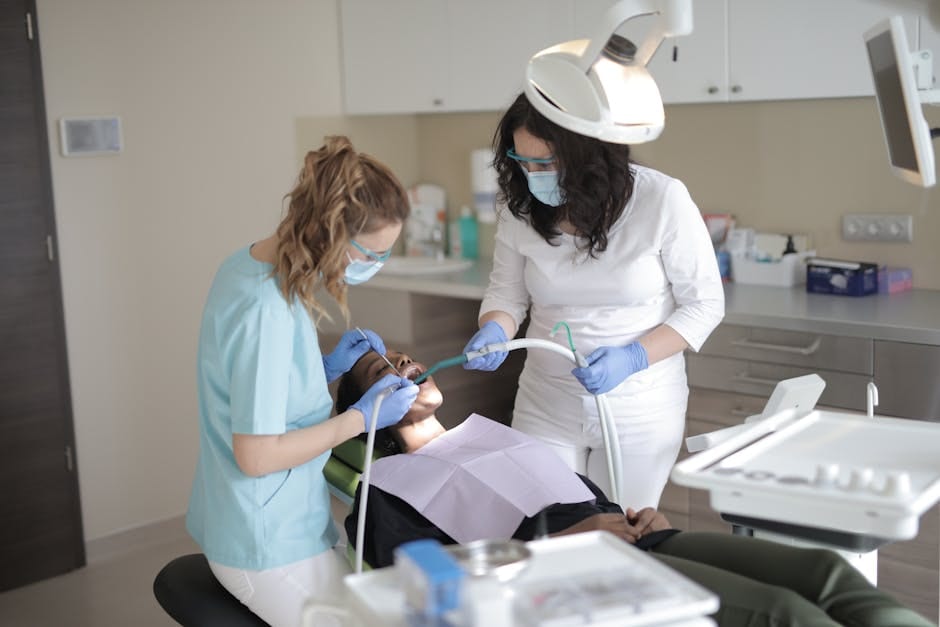
A professional dental cleaning goes far beyond what any toothbrush can accomplish. Dental hygienists use specialized instruments called scalers and curettes. These tools are designed specifically to break tartar’s bond with the tooth surface.
Here is what a professional cleaning removes that home care simply cannot:
- Hardened tartar above and below the gumline
- Calcified deposits between teeth that floss cannot reach
- Staining caused by food, drinks, and bacterial buildup
- Bacterial biofilm embedded in areas brushes skip entirely
- Subgingival buildup that contributes to early gum disease
After scaling, a hygienist polishes the teeth with a professional-grade paste. This smooths the enamel surface so future plaque has a harder time sticking. The entire process takes about 30 to 60 minutes and is painless for most patients.
Children with heavy tartar buildup may also need additional support. In some cases, untreated tartar leads to decay that requires Pediatric Dental Crowns to restore a damaged tooth fully. Catching buildup early through cleanings prevents that outcome whenever possible.
The Connection Between Tartar and Gum Disease
Tartar is the leading cause of gum disease in both children and adults. When tartar sits along the gumline, it irritates and inflames the surrounding tissue. That inflammation is the beginning of gingivitis — the earliest stage of gum disease.
Left untreated, gingivitis progresses to periodontitis. At that stage, the infection spreads below the gumline and attacks the bone supporting your teeth. This is not a problem that brushing can reverse once it reaches this level.
Professional cleanings interrupt this cycle before it escalates. They remove the tartar that drives inflammation and give your gums a chance to heal. For Capitol Heights patients concerned about gum health, consistent cleanings are the most important preventive step available.
When gum disease does develop, more advanced Restorative Dentistry may be needed to repair damage to teeth and supporting structures. Prevention through regular cleanings is always the better path forward.
How Often Should Capitol Heights Patients Get Professional Cleanings?
Most dentists recommend a professional cleaning every six months. This schedule gives tartar little time to cause serious damage between visits. However, some patients need more frequent cleanings based on their individual risk level.
Factors that may require more frequent visits include:
- A history of gum disease or heavy tartar buildup
- Diabetes or other conditions that affect oral health
- Orthodontic appliances like braces that trap plaque
- Children with deep grooves in their molars
- Dry mouth caused by medications or health conditions
Dr. Karishma Patel evaluates each patient individually and recommends the right cleaning schedule for their needs. No two mouths are the same, and neither are their care plans.
What to Expect at Your Cleaning Appointment
Many patients — especially children — feel nervous about dental cleanings. Understanding the process helps reduce that anxiety significantly. Here is what typically happens during a professional cleaning at Capitol Smiles Pediatric Dentistry of Washington:
- Examination: The hygienist checks for signs of tartar, decay, and gum inflammation.
- Scaling: Specialized tools remove tartar above and below the gumline.
- Polishing: A gritty paste smooths the tooth surface and removes light stains.
- Flossing: The hygienist flosses between every tooth to remove loosened debris.
- Fluoride treatment: A fluoride application strengthens enamel against future decay.
The appointment is straightforward and typically comfortable. If sensitivity is a concern, the team will discuss options to make the experience easier before starting.
Take the Next Step for Your Family’s Smile
Brushing and flossing are essential habits — but they are only part of the equation. Once tartar hardens, only a dental professional can safely remove it. Capitol Heights families who prioritize regular cleanings protect their teeth from decay, gum disease, and costly future treatment. Dr. Karishma Patel and the team at Capitol Smiles Pediatric Dentistry of Washington are here to help every member of your family maintain a healthy, confident smile. Book Now to schedule your appointment with our team.
Frequently Asked Questions
Can tartar ever be removed at home once it hardens?
No. Once plaque calcifies into tartar, it bonds firmly to the tooth surface. Home tools like toothbrushes, floss, and over-the-counter products cannot break that bond. Only a dental professional using specialized instruments can safely remove hardened tartar without damaging your enamel.
How long does it take for plaque to turn into tartar?
Plaque can begin hardening into tartar in as little as 24 to 72 hours if it is not removed. This is why daily brushing and flossing are so important. Even with excellent home care, some plaque always gets left behind — which is why professional cleanings are still necessary every six months.
Is tartar buildup more common in children?
Children can absolutely develop tartar buildup, especially if their brushing habits are inconsistent or if they consume a lot of sugary foods and drinks. Children’s teeth also have deeper grooves that trap plaque more easily. Regular pediatric dental cleanings help catch and remove buildup before it causes lasting damage.
Does tartar cause bad breath?
Yes. Tartar harbors bacteria that produce sulfur compounds — the primary cause of persistent bad breath. Brushing over tartar does not eliminate those bacteria because the deposits protect them. A professional cleaning removes the tartar and the bacterial colonies living within it, which significantly improves breath freshness.
What happens if tartar is never removed?
Untreated tartar leads to gum inflammation, gingivitis, and eventually periodontitis — a serious infection that damages the bone holding your teeth in place. It also accelerates tooth decay by keeping acid-producing bacteria close to the enamel surface. Over time, this can result in tooth loss and the need for more extensive dental treatment.