Now Accepting New Patients!

Dental Crowns Lifespan in Washington, DC | Capitol Smiles

Many patients in Fairmount Heights ask whether dental crowns really last 15 years. It’s a fair question. Crowns are a significant investment in your smile and your oral health. Understanding what determines their lifespan helps you protect that investment for the long haul.
At Capitol Smiles Pediatric Dentistry of Washington, Dr. Karishma Patel works with patients of all ages on Restorative Dentistry solutions that are built to last. Knowing how to care for a crown — and when to replace one — is just as important as getting it placed correctly.
How Long Do Dental Crowns Really Last in Fairmount Heights?
The honest answer is: it depends. Most dental crowns last between 10 and 15 years on average. Some crowns last 20 years or more with proper care. Others fail much sooner due to preventable habits or circumstances.
The material of the crown matters a great deal. Porcelain crowns look natural but can chip under pressure. Metal crowns are extremely durable but less cosmetically appealing. Porcelain-fused-to-metal crowns offer a middle ground between strength and appearance.
Where the crown sits in your mouth also plays a role. Back teeth handle more chewing force than front teeth. Crowns on molars typically face more daily wear and tear. That increased pressure can reduce their lifespan over time.
What Shortens the Lifespan of Your Dental Crown?
Several habits and conditions can wear down a crown far earlier than expected. Being aware of these factors helps you take action before damage occurs.
- Teeth grinding (bruxism): Grinding puts enormous pressure on crowns, especially during sleep.
- Chewing hard foods: Ice, hard candy, and popcorn kernels can crack or dislodge a crown.
- Poor oral hygiene: Bacteria accumulate at the crown margin, leading to decay in the underlying tooth.
- Clenching: Like grinding, clenching stresses the crown and the cement holding it in place.
- Nail biting or chewing on objects: These habits apply uneven pressure to crowns.
- Acidic diet: Acidic foods and drinks weaken the cement seal around the crown over time.
Grinding is one of the most common culprits Dr. Patel sees in patients. A custom nightguard can protect your crown while you sleep. It’s a simple solution that dramatically extends crown longevity.
Oral hygiene is equally critical. Crowns themselves don’t decay, but the tooth underneath can. Food and bacteria collect at the gum line around the crown. Brushing twice daily and flossing every day keeps that margin clean and protected.
Signs Your Crown May Need to Be Replaced
Crowns don’t always announce their failure dramatically. Many signs are subtle and easy to miss. Knowing what to look for helps you catch problems early.
- Pain or sensitivity: Sudden sensitivity to heat, cold, or pressure signals possible crown failure.
- Visible chips or cracks: Even small fractures compromise the crown’s structural integrity.
- Crown feels loose or wobbly: The cement may have weakened, putting the tooth at risk.
- Dark line at the gum: This can indicate underlying decay or an older metal-based crown showing through.
- Crown falls out: This is an emergency that requires same-day attention.
- Changes in bite: If your bite feels off, the crown may have shifted or worn unevenly.
Pain is often the first signal patients notice. But some issues cause no pain at all in the early stages. That’s why regular checkups are so important for catching problems before they become costly.
If you notice any of these signs, don’t wait. Delaying treatment can allow decay to spread beneath the crown. That may turn a simple crown replacement into a more complex procedure.
How Oral Hygiene Extends Crown Lifespan
A crown protects a damaged tooth, but it doesn’t make that tooth immune to future problems. The gum tissue and bone surrounding the crown still need daily care. Neglecting hygiene is one of the fastest ways to shorten a crown’s life.
Brush along the gum line gently but thoroughly. Use a soft-bristled toothbrush to avoid abrading the crown surface. Fluoride toothpaste helps strengthen the natural tooth structure beneath the crown.
Flossing matters just as much as brushing. Thread floss carefully around the crown rather than snapping it through. This prevents dislodging the crown while still removing plaque from the margins.
For children, building these habits early is essential. Dr. Patel often places Pediatric Dental Fillings as a precursor to understanding how restorations require ongoing care. Teaching kids to protect their dental work pays dividends well into adulthood.
What to Expect During a Crown Evaluation at Capitol Smiles
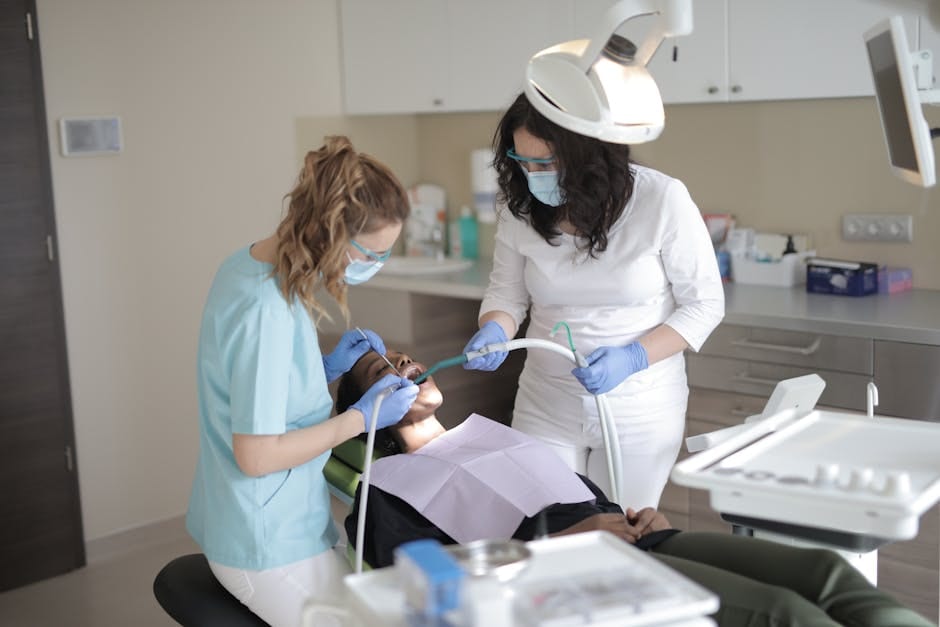
If you’re unsure about the condition of an existing crown, a professional evaluation gives you clarity. Dr. Patel examines crowns visually and with X-rays to assess the underlying tooth. She checks for decay, fractures, and the integrity of the cement seal.
This evaluation is thorough but comfortable. Most assessments take only a few minutes during a routine checkup. Early detection means simpler, less invasive treatment options are still available.
Patients in the Fairmount Heights area can expect honest, straightforward guidance. Dr. Patel explains exactly what she finds and what your options are. There’s no pressure — just clear information to help you make the best decision for your smile.
Frequently Asked Questions
Can a dental crown last longer than 15 years?
Yes, absolutely. Many crowns last 20 years or more with proper care. Good oral hygiene, regular dental visits, and avoiding habits like grinding or chewing hard foods all contribute to a longer lifespan. The material and placement location also affect how long a crown holds up.
What happens if I don’t replace a failing crown?
Delaying replacement allows bacteria to reach the tooth underneath the crown. This can lead to decay, infection, or even tooth loss. A failing crown also puts stress on neighboring teeth. Addressing the issue early keeps treatment simpler and less costly.
Does teeth grinding really damage dental crowns?
Yes, bruxism is one of the leading causes of premature crown failure. The repeated pressure from grinding wears down the crown surface and can crack it over time. Dr. Patel recommends a custom nightguard for patients who grind their teeth to protect both crowns and natural teeth.
How do I know if my crown has decay underneath it?
Decay beneath a crown often causes sensitivity, pain when biting, or a visible dark area near the gum line. In many cases, there are no symptoms in the early stages. That’s why X-rays during routine checkups are essential — they detect decay that isn’t visible to the naked eye.
Is crown replacement painful?
Crown replacement is generally comfortable with modern dental techniques. Dr. Patel uses local anesthesia to keep the area numb throughout the procedure. Patients with dental anxiety may also discuss sedation options for added comfort during their appointment.
If you’re in Fairmount Heights and want to know whether your dental crown is still in good shape, don’t guess. Schedule a professional evaluation with Dr. Karishma Patel at Capitol Smiles Pediatric Dentistry of Washington. Book Now to schedule your appointment with our team.