Now Accepting New Patients!
Beyond Fear: When is Sedation Dentistry Medically Necessary for Your Child’s Oral Health?
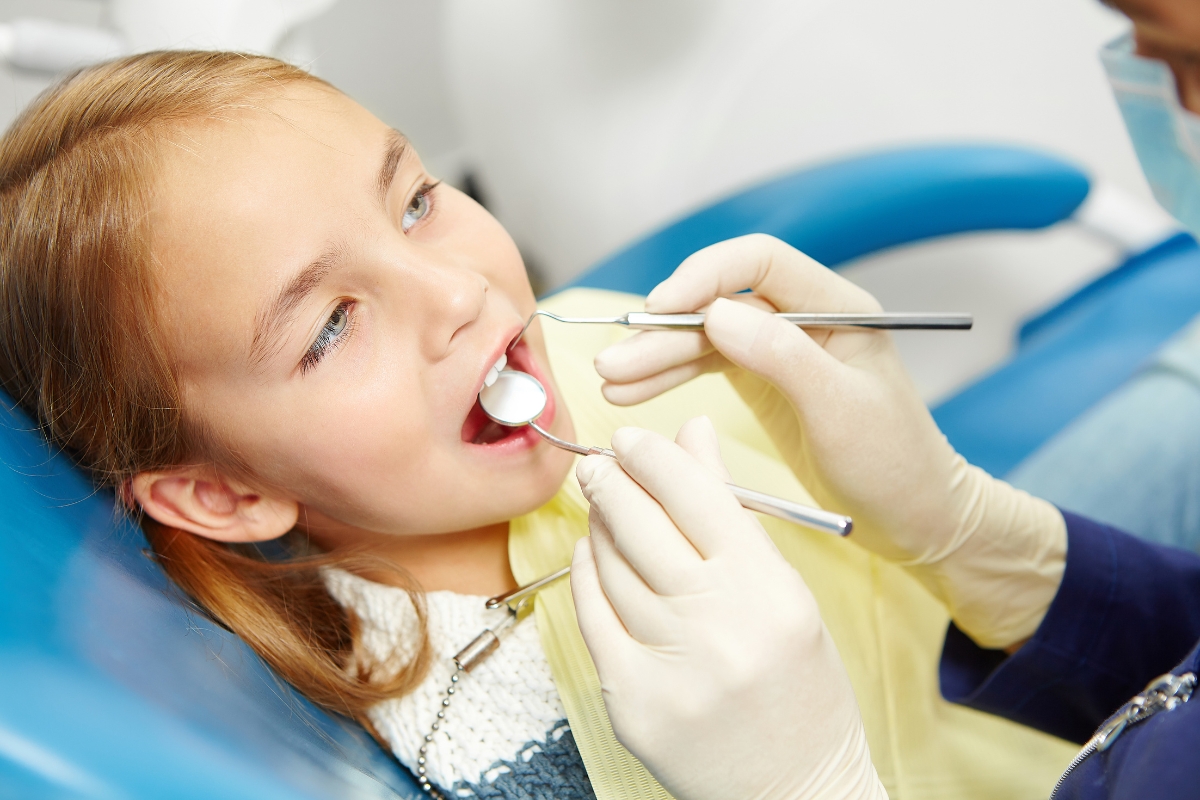
Dental anxiety is a legitimate concern in children and can affect their oral health. For any parent, convincing a child to sit in the chair of a dentist is an uphill task, but at times, it might not be because of the element of fear. Sometimes it is crucial to sedate them, especially when it involves a serious condition that may require sedating your kid to treat them correctly. Sedation dentistry for kids is both safe and effective. It’s more than just calming nervousness. It can be a real medical necessity.
This blog will explain when sedation dentistry becomes necessary to maintain your child’s oral health.
What is Sedation Dentistry?
Pediatric sedation dentistry involves using medication to help a child remain relaxed and comfortable during dental procedures. Various kinds of sedation are used:
Oral Sedation: A medication taken in the form of a pill or liquid that will relax your child before the procedure.
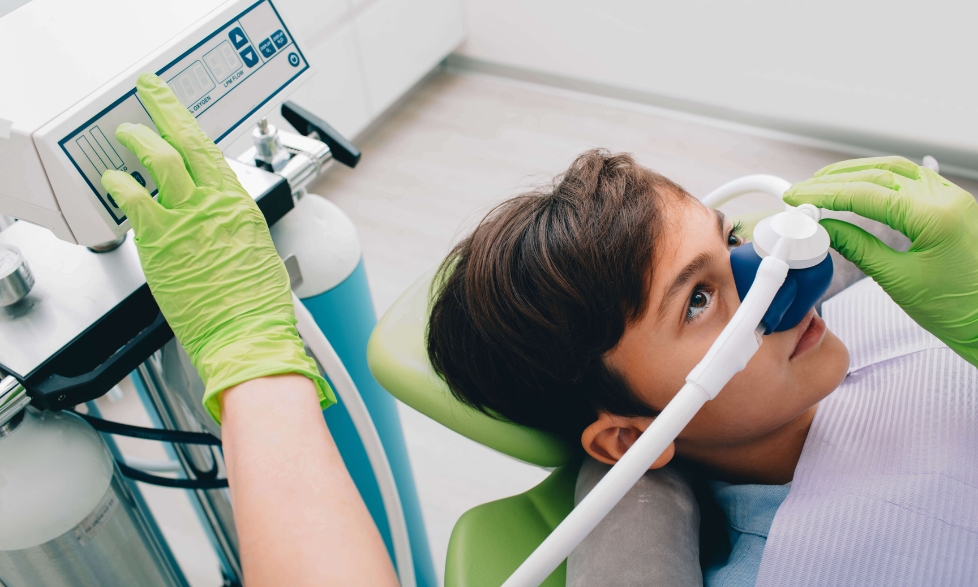
Nitrous Oxide: Commonly known as laughing gas, it helps relieve anxiety.
General Anesthesia: This is a much stronger form of sedation, usually utilized when the dental procedure is more complex.
While often used to ease anxiety, pediatric sedation dentistry in Washington is also crucial in medically necessary treatments that require the child to remain still.
Why Sedation Dentistry May Be Necessary Beyond Fear
While even the most qualified pediatric dentist may find it difficult to provide dental care amidst some medical or behavioral conditions, sedation allows children who have developmental disabilities to remain relatively still, thus reducing much of the stress on both the child and the dental team.
Some children cannot tolerate the noise or sensations of a dental visit due to their autism or sensory sensitivities. In this case, pediatric sedation dentistry will keep them safe.
Sedation is also required for extended procedures, such as tooth extractions, multiple fillings, or crowns. These procedures may be longer and require the child to stay still. Lastly, for children with complex medical conditions like cerebral palsy, sedation is often the safest way to complete much-needed dental work comfortably.
Signs Your Child Might Need Sedation Dentistry
Some children may exhibit signs of extreme anxiety before a dental visit to indicate the need for pediatric sedation dentistry. These include:
Panic attacks or excessive crying. Inability to remain seated during an examination or procedure. Strong fear of the dentist or dental instruments. In addition to behavioural symptoms, various medical conditions, such as ADHD, can pose a challenge in allowing dental treatments to be performed successfully.
Children with physical conditions, such as cerebral palsy, may find it hard to remain comfortable in the dental chair. In such cases, pediatric sedation dentistry allows the child to receive the treatment they need without causing distress.
The Safety of Sedation Dentistry for Children
Pediatric sedation dentistry in Washington is safe when professionals trained in sedation techniques administer it. Pediatric dentists are proficient in a child’s vital signs while sedated and can ensure a smooth procedure.
Sedation is tailored to each child’s needs, providing the safest dosage and type of sedation needed for the dental procedure. With this, treatment can be successfully provided while minimizing risks.
The dentist will discuss your child’s medical history and any concerns with you to choose the best sedation option available. Parents can feel comforted knowing that the safety of their child is of utmost concern during every step of the procedure.
Pediatric sedation dentistry is a safe and effective way to ensure a child’s dental health, particularly when medical needs deem it necessary. Anxiety or medical reasons may also make sedation the key factor in your child’s care.
If your child has dental fears or requires extensive dental treatment, scheduling a consultation with us is the best first step. Discuss your child’s specific needs to determine if pediatric sedation dentistry is the right option. Don’t wait-ensure your child’s oral health today.
FAQs
How quickly will my child recover from sedation dentistry?
Recovery time depends on the type of sedation. Nitrous oxide wears off quickly, but oral sedation or general anesthesia may require a longer recovery time.
Can I stay with my child during sedation dentistry?
In most cases, parents can stay with their child until they are sedated. The dentist will provide guidance on what to expect and whether any special arrangements are needed.
Can sedation dentistry help children with ADHD?
Yes, children with ADHD may benefit from sedation, especially for lengthy procedures or those requiring the child to stay still for an extended time.
Will my child be asleep during sedation dentistry?
It depends on the type of sedation. Nitrous oxide keeps your child relaxed but awake, while oral sedation or general anesthesia may put them to sleep.
What signs indicate that my child may need sedation dentistry?
Signs include severe anxiety, inability to sit still, excessive crying, or difficulty cooperating during dental visits. Children with certain medical conditions may also need sedation.